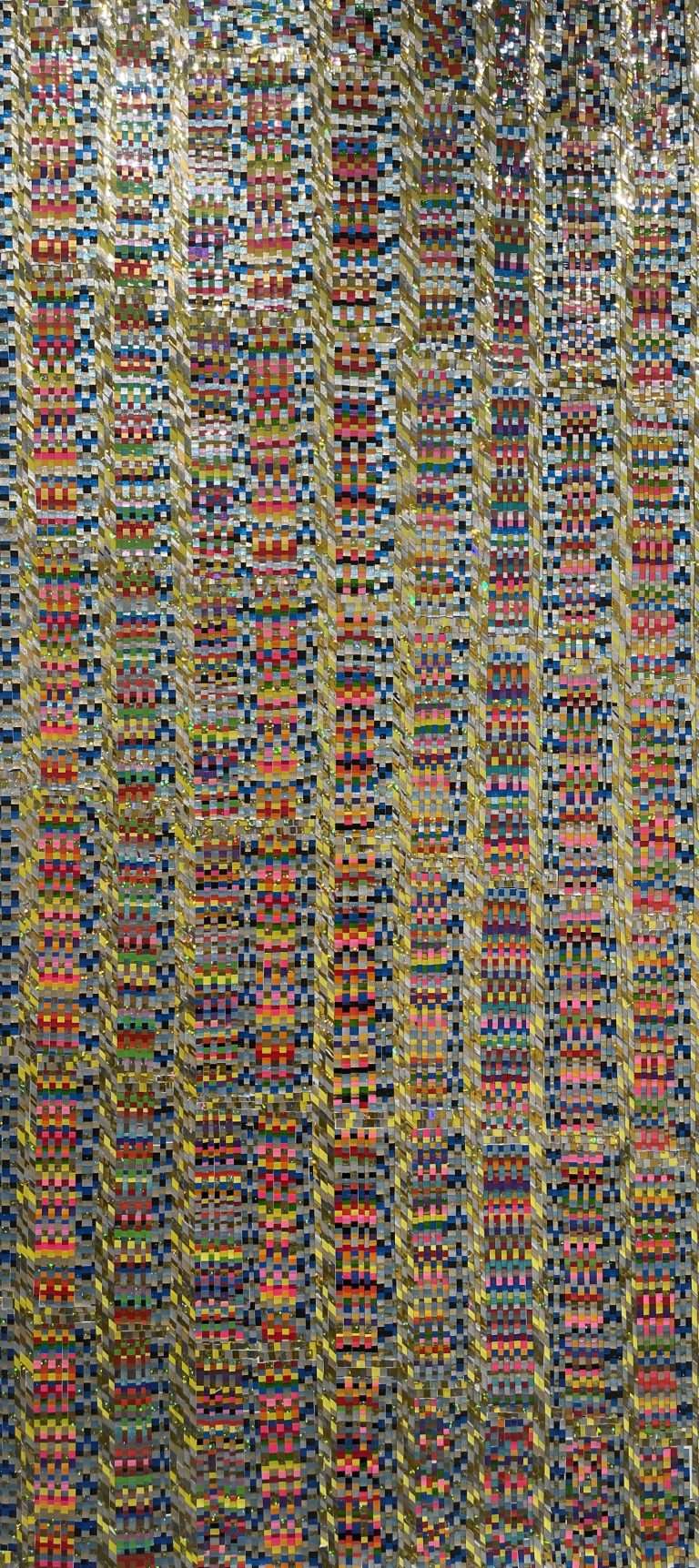
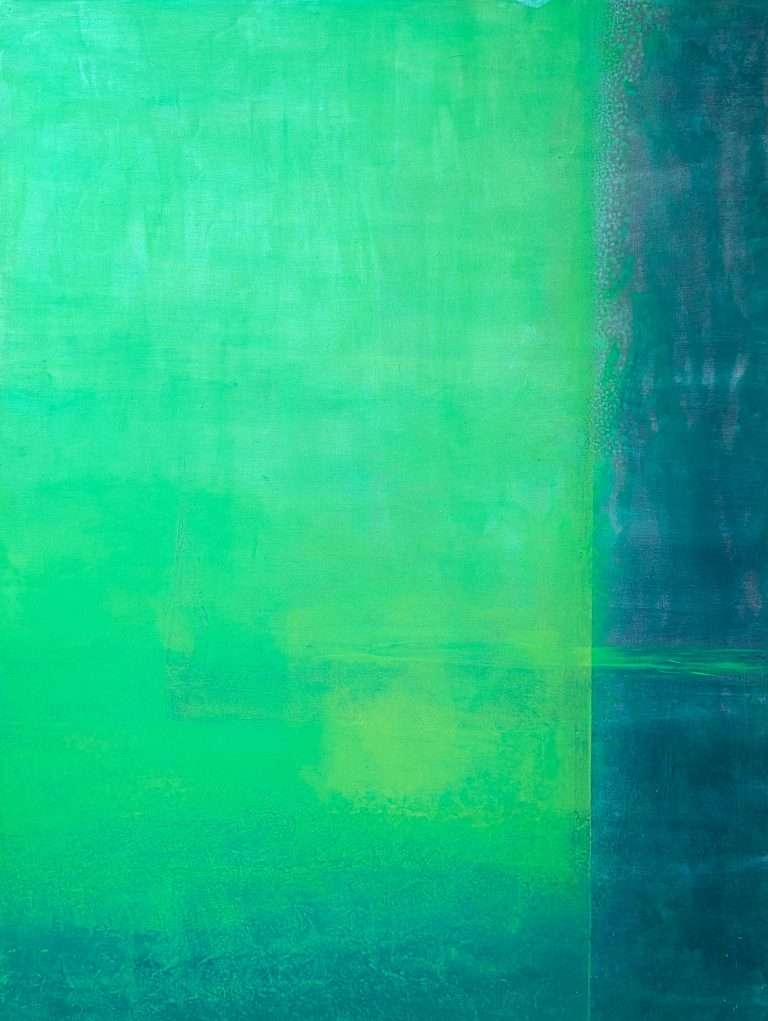
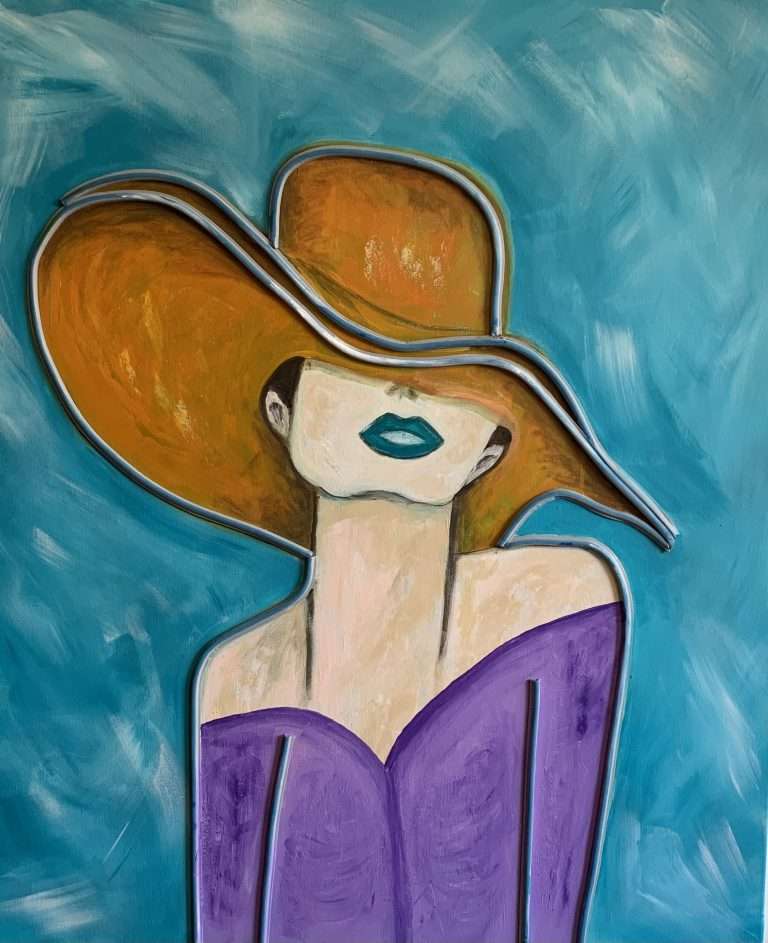
This small mixed media work reimagines the Venus of Willendorf as both artifact and awakening. Though intimate in scale, the piece carries immense symbolic weight. Layered textures echo the passage of time: earthy pigments, delicate marks, and raw surfaces honouring the ancient hands that first shaped her. Her rounded belly, full breasts, and grounded stance are rendered not as exaggerations, but as declarations of abundance, fertility, and embodied power.
The discovery of this prehistoric figure unsettled long-held assumptions that human society was always patriarchal. She stands as evidence that there were cultures which revered the mature feminine form, cultures that saw wisdom, fertility, and authority in a woman’s body rather than shame or decline. In her presence, the narrative shifts: the female body was once sacred, not scrutinised.
In the wake of modern scandals that have exposed how beauty standards were often shaped by powerful men with distorted values, this artwork invites a reckoning. It asks us to question who defined “desirable,” who profited from insecurity, and who benefited from women striving to remain perpetually youthful.